Food and Dairy
Chickpeas
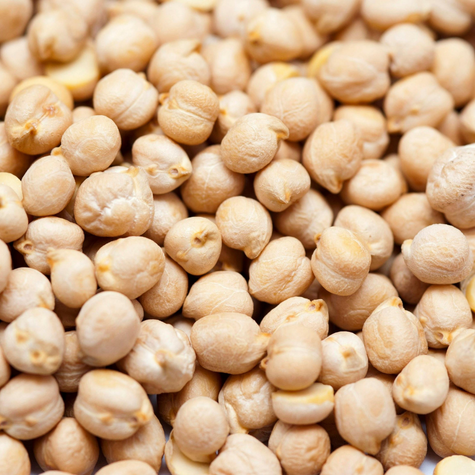
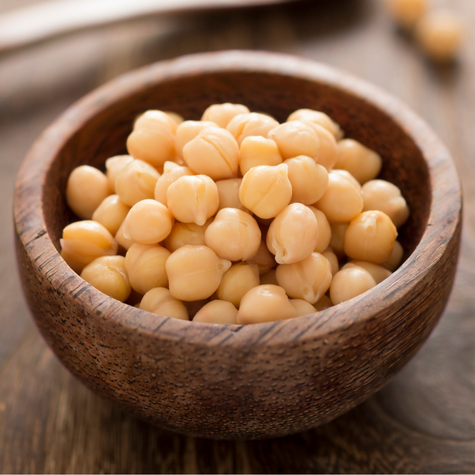
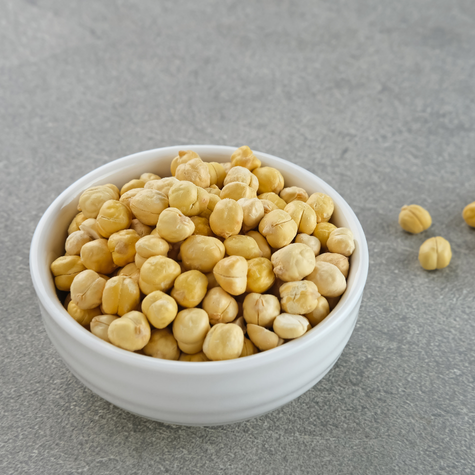
Chickpeas, also known as garbanzo beans, are nutrient-rich legumes valued for their mild nutty flavor and firm texture. They are an excellent source of plant-based protein, fiber, iron, folate, and essential minerals, making them a staple in vegetarian and vegan diets. Chickpeas are widely used in global cuisines—ground into hummus and falafel in Middle Eastern cooking, added to curries and stews in Indian dishes, or tossed into salads and soups for extra nutrition. Available in both dried and canned forms, they are versatile, easy to prepare, and promote digestive health while helping maintain energy levels. Their combination of taste and health benefits makes chickpeas a popular choice for balanced diets.
Soyabean
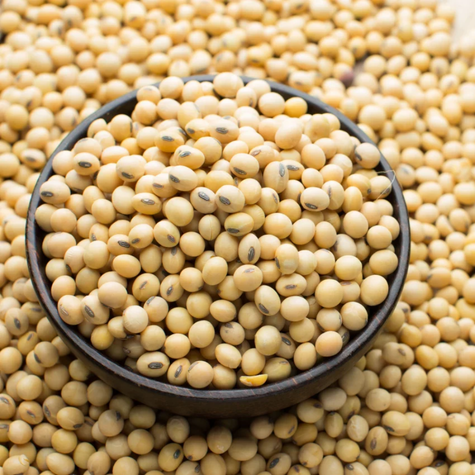
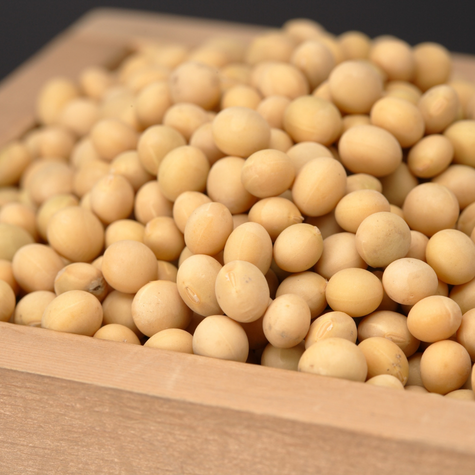
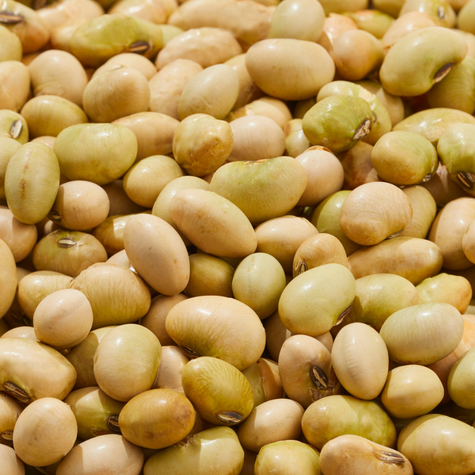
Soyabean is a highly nutritious legume widely cultivated for its rich protein and oil content, making it an essential crop for food, feed, and industrial applications. It is a key source of plant-based protein used in products such as soy flour, tofu, soy milk, and textured vegetable protein, while soyabean oil is extensively used in cooking and food processing. The by-product, soyabean meal, is a valuable ingredient in animal and poultry feed due to its high nutritional value. With its versatility, health benefits, and strong demand in global markets, soyabean plays a vital role in agriculture and international trade.
Maize
Pulses
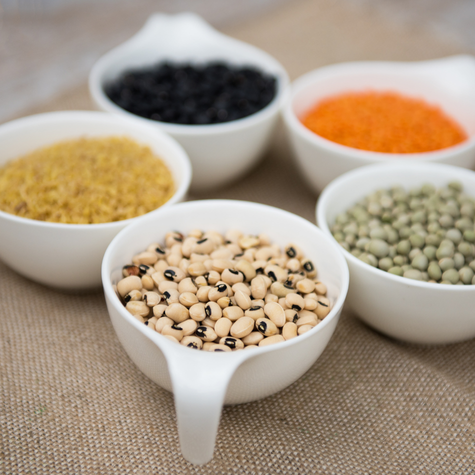
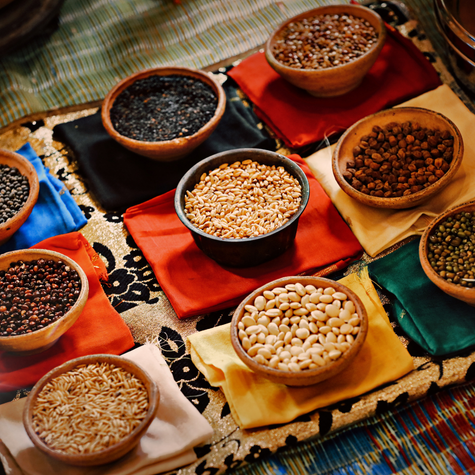
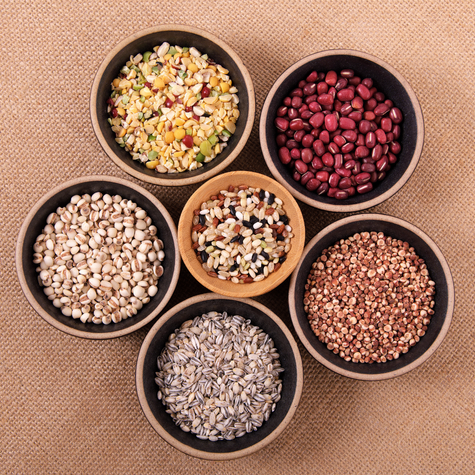
Pulses are a group of nutrient-dense edible seeds from leguminous plants, including lentils, chickpeas, beans, and peas. They are an excellent source of plant-based protein, complex carbohydrates, dietary fiber, iron, folate, and other essential minerals, making them a vital part of balanced diets worldwide. Low in fat and cholesterol-free, pulses support heart health, aid digestion, and provide sustained energy. They are widely used in soups, curries, salads, flours, and snacks across different cuisines. Known for their long shelf life and affordability, pulses are not only a healthy food choice but also environmentally sustainable, as their cultivation naturally enriches the soil with nitrogen.
Soya de oil cake
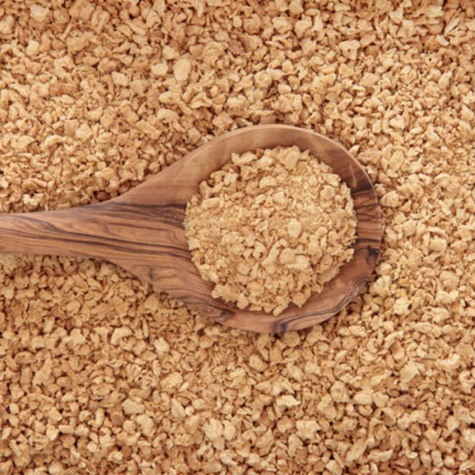
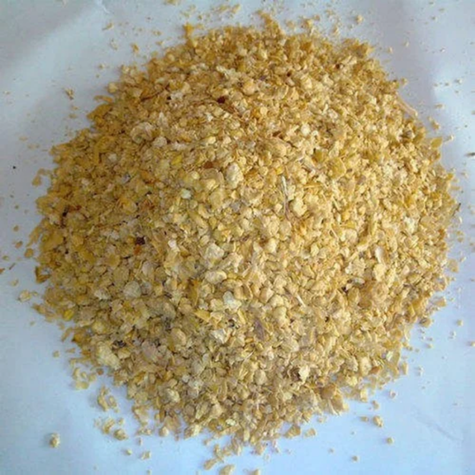
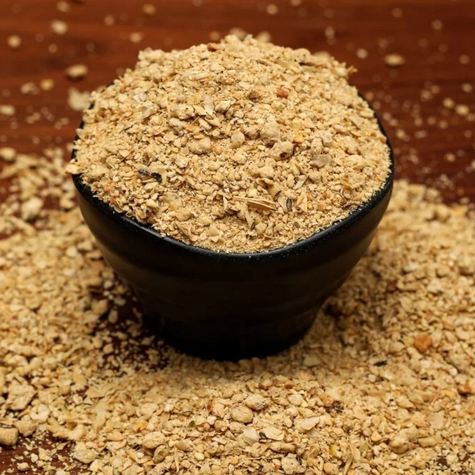
Soya De-Oiled Cake (DOC) is a high-protein by-product obtained after the extraction of oil from soyabeans, widely used as a nutritious ingredient in animal and poultry feed. It is rich in protein, amino acids, fiber, and essential nutrients that support healthy growth and improved productivity in livestock. Soya DOC is highly digestible, cost-effective, and available in various forms such as granules, pellets, and powder, making it suitable for different feeding requirements. Due to its consistent quality, long shelf life, and strong demand in domestic and international markets, soya de-oiled cake is an important commodity in the feed and agro-export industry.
Ghee and Butter
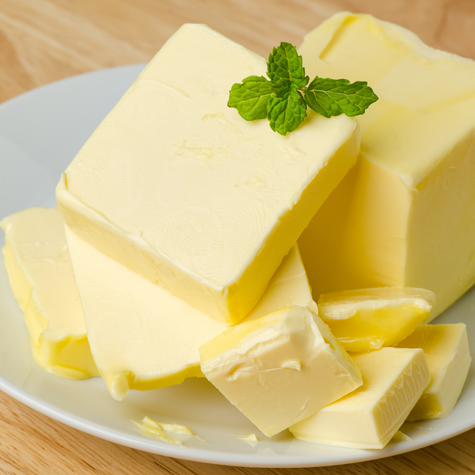
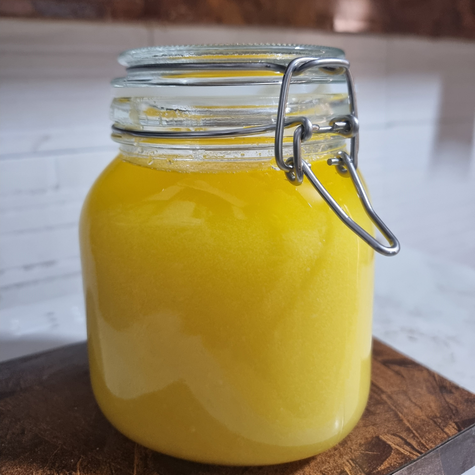
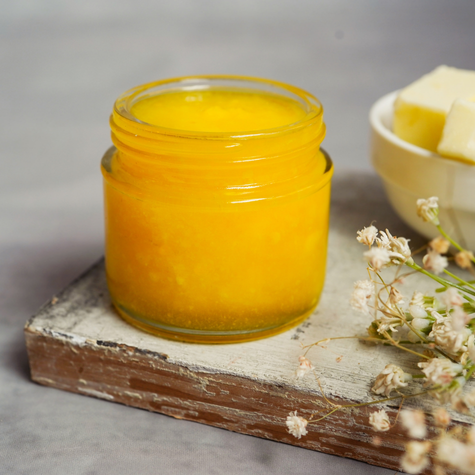
Ghee and butter are both dairy products made from milk but differ in preparation, flavor, and use. Butter is churned from cream and contains about 80% milk fat along with water and milk solids, giving it a creamy texture and slightly sweet taste. It is commonly used as a spread, in baking, and for light cooking. Ghee, on the other hand, is a form of clarified butter prepared by simmering butter to remove water and milk solids, leaving behind pure golden butterfat with a nutty aroma. It has a higher smoke point than butter, making it ideal for deep frying and high-temperature cooking. Rich in flavor and shelf-stable without refrigeration, ghee is widely used in Indian, Middle Eastern, and Ayurvedic cooking, while butter is more common in Western cuisines.
PSYLLIUM HUSK(Isabgol)
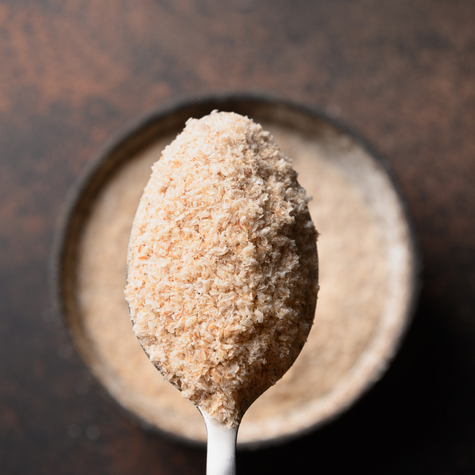
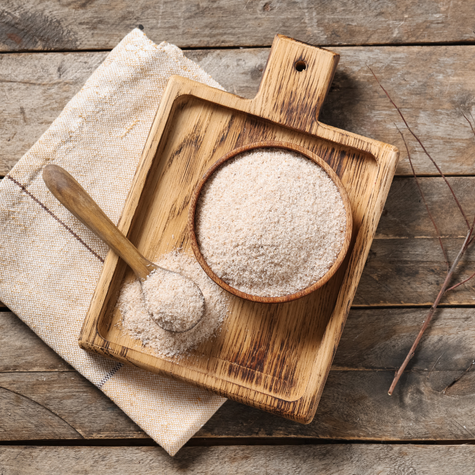
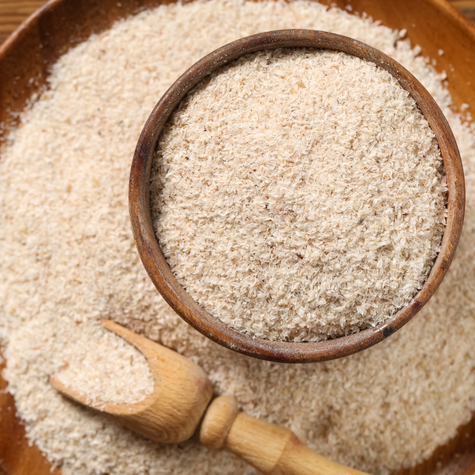
Psyllium Husk (Isabgol) is a natural dietary fiber derived from the seeds of the Plantago ovata plant, widely valued for its numerous health benefits. It is a tasteless, odorless, and gluten-free fiber that swells when mixed with water, forming a gel-like substance that helps improve digestion, relieve constipation, and promote bowel regularity. Rich in soluble fiber, psyllium husk supports heart health by helping lower cholesterol levels, assists in blood sugar management, and aids in weight management by providing a feeling of fullness. Its natural cleansing properties make it a popular choice in Ayurveda and modern health practices, making it an essential daily supplement for overall digestive and metabolic wellness.
Kidney Beans
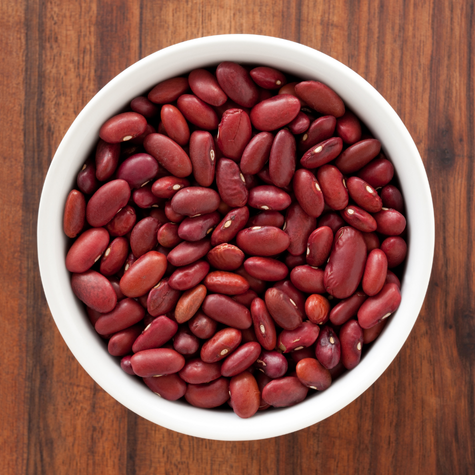
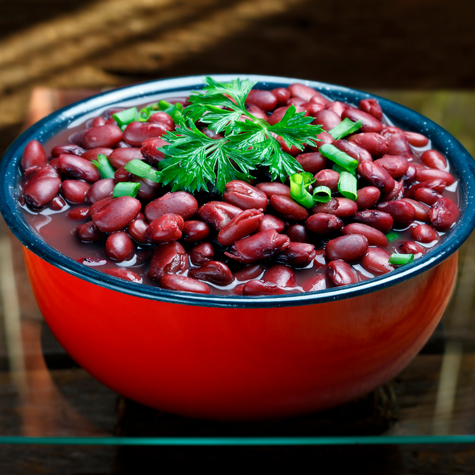
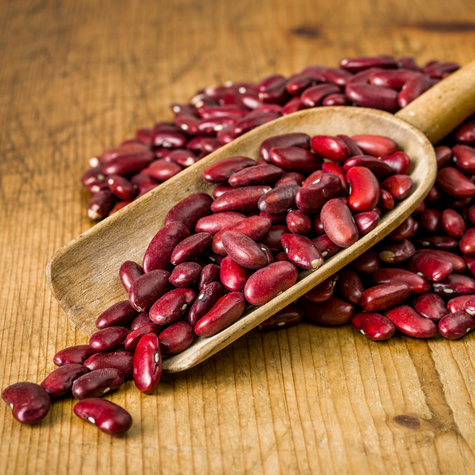
Kidney beans are a popular variety of legume known for their distinct kidney-like shape and vibrant red color. Rich in protein, dietary fiber, iron, and essential vitamins, they are a highly nutritious staple in vegetarian and non-vegetarian diets alike. These beans are widely used in cuisines around the world, including Indian curries (rajma), Mexican chili, and Mediterranean salads. Kidney beans must be properly soaked and cooked, as raw or undercooked beans contain natural toxins (like phytohaemagglutinin) that can be harmful. With their hearty texture and ability to absorb flavors well, kidney beans are a versatile ingredient that adds both nutrition and taste to a wide range of dishes.
Wheat and Wheat Flour
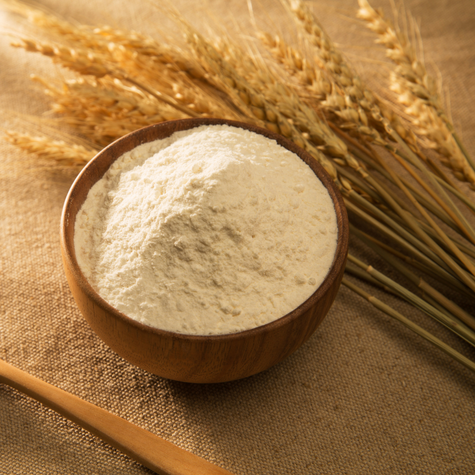
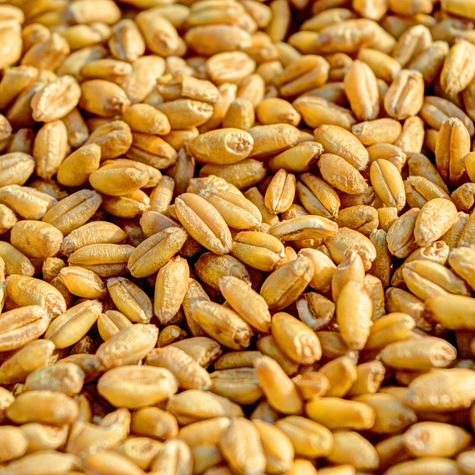
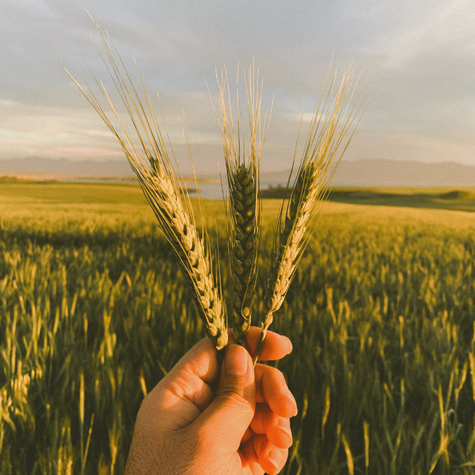
Wheat is one of the world’s most important cereal grains, cultivated widely for its high nutritional value and versatility. It is a rich source of carbohydrates, protein, dietary fiber, vitamins (especially B-complex), and essential minerals, making it a staple food for billions of people. Wheat is consumed in various forms, such as whole grains, cracked wheat, or processed products.
Wheat flour is produced by grinding wheat grains and is the base ingredient for countless food items, including bread, chapati, pasta, biscuits, and bakery products. It comes in different varieties like whole wheat flour, refined flour (maida), and semolina (sooji), each suited for specific culinary uses. Valued for its gluten content, which provides elasticity and structure in dough, wheat flour is a cornerstone of global diets, offering both energy and nourishment.
Guar meal